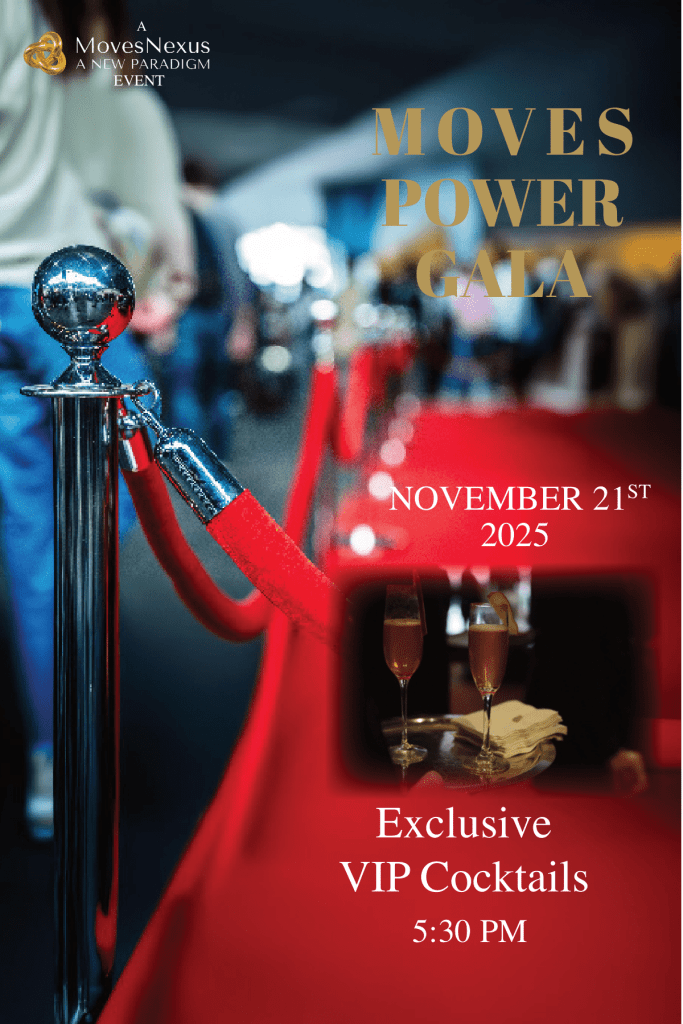
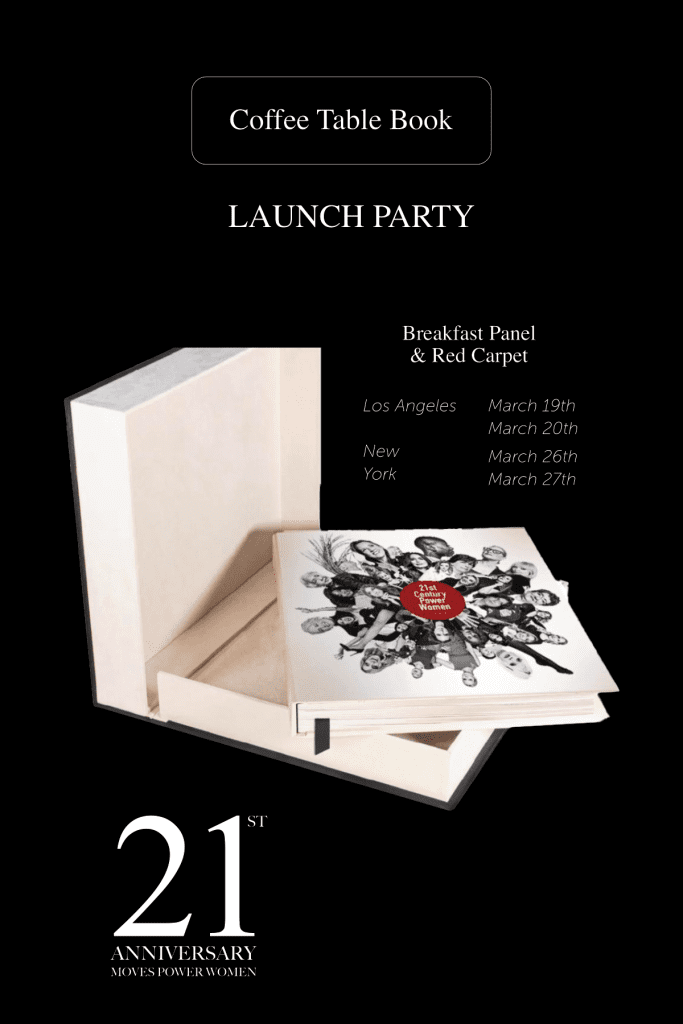
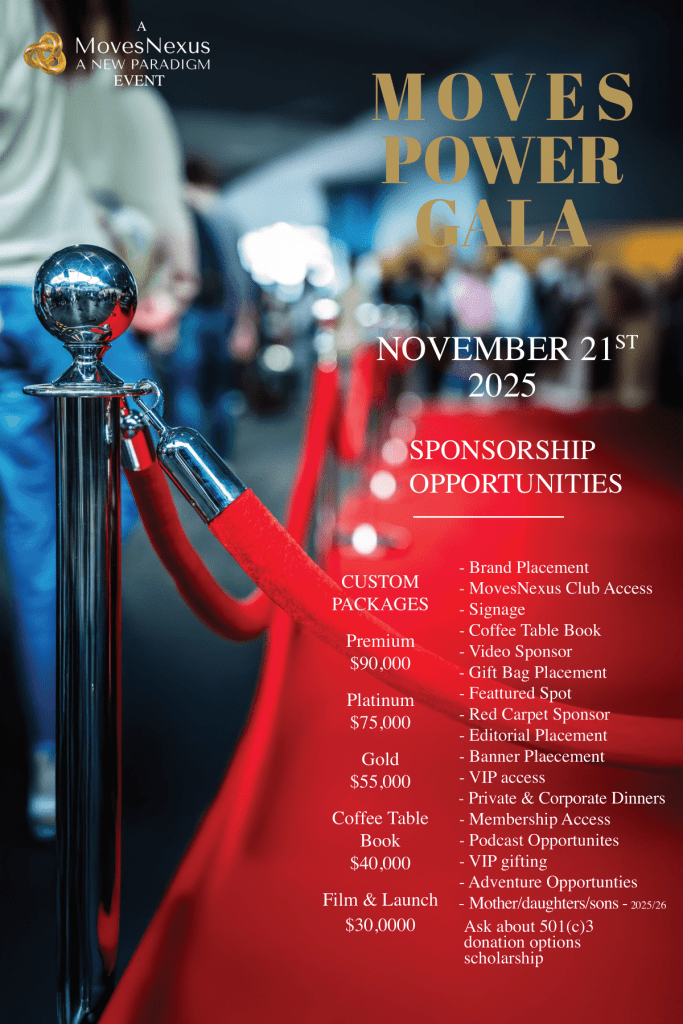
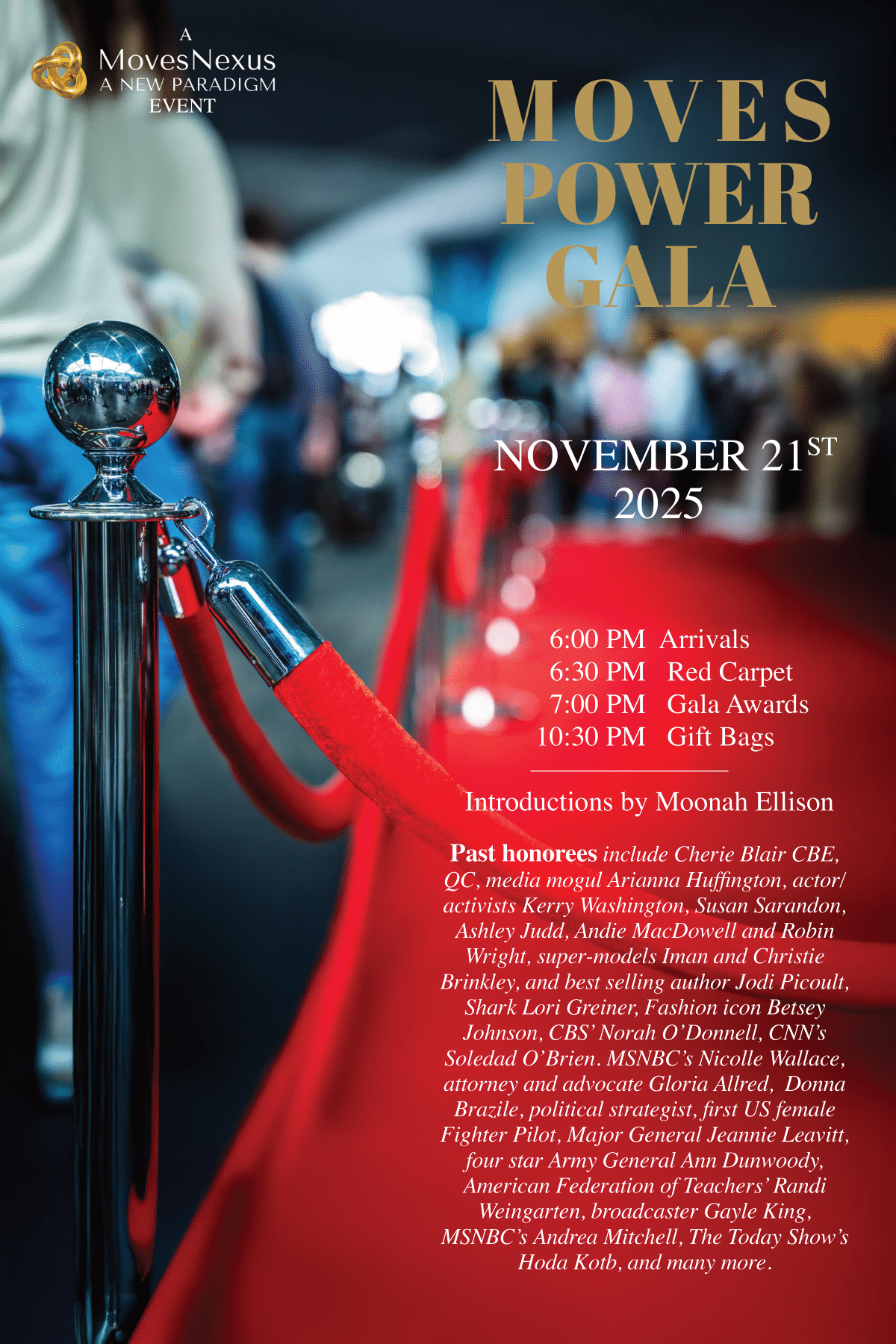
Table / Sponsorship Request Access
For additonal inforamtion send an email to pw25_awardsgala@newyorkmoves.net
or to request code over the phone 646.489.1633
Check Spam for code
“We need to stop doing things for quick reactions and instead focus on policy with long-term impact.”
What do you feel allows us to say that somebody has Power? What does Power actually mean?
Power is decisiveness that accounts for all factors. It’s the ability to clearly outline what needs to get done, while considering interconnections and consequences. True power comes when decisiveness is married with values and authenticity—bringing your genuine self to the problem in front of you. In Washington, people often equate power with being visible. But real power is often behind the scenes—those who can convene, weigh complex factors, and make critical decisions quietly.
With so many issues—gun violence, gender inequality, child poverty—what do you think is the most pressing today?
They’re all urgent, but the root concern for me is truth. We’re losing our ability to separate fact from fiction. In the intelligence and engineering worlds, facts matter—math adds up, science is science. But today, misinformation clouds everything. Adversaries exploit that distrust. If we don’t reestablish trust in facts, we’ll struggle to solve anything else.
What’s a call to action that could empower not just women, but everyone?
Challenge people. Women rise when challenged, and the same is true more broadly. We need to stop doing things for quick reactions and instead focus on policy with long-term impact. That requires honest, fact-based conversations—even when people disagree. It sounds simple, but in today’s climate, it feels difficult.
Have you ever faced a difficult personal or professional challenge, and how did you overcome it?
Many. As COO of the DNI, I managed peers and a large workforce. Every day brought thorny issues—personnel, facilities, security. What got me through was leaning on experience, remembering past lessons, and relying on sounding boards inside and outside of work. Trusted peers could tell me, “Yes, you’re on track” or “No, don’t do that.” My mom was another touchstone—she couldn’t always know the details, but she reminded me of core principles and that I’d get through it.
What was a defining moment in your career that shaped who you are today?
A mentor who wouldn’t let me say no. She saw something in me I didn’t see in myself and insisted I take on a new role I resisted. I eventually did and it was one of the best experiences of my career. That moment taught me to trust when others see potential in you, even if you can’t yet see it yourself.
What personal trait makes you most uncomfortable about yourself?
Physically, my height. I’m six feet tall, and though I’ve embraced it, I’ve always been hyper-aware of it. Personally, I’m emotional. Under stress, my instinct can be to shed a quick tear—something I’ve had to manage, especially in professional settings. It comes from being deeply invested in my work, but I’ve worked hard to channel it productively.
What do you consider an overrated virtue?
Overconfidence—the idea that you always have to be the loudest voice in the room. I think it’s underrated to listen quietly, absorb information, and then respond thoughtfully. In male-dominated spaces, bombastic behavior is often rewarded, but listening is just as powerful, if not more so.
Who do you yell at in your head?
Mostly myself. Sometimes I rehearse how I’d respond to someone else, but usually I process things internally first—trying it on for size before deciding if it needs to be said.
What’s an unbreakable rule for you?
Honesty. You can always deliver honesty appropriately, but there’s no replacement for it.
What’s a small risk? What’s a big risk?
A small risk is surfacing an idea. The worst that can happen is someone says no. A big risk is compromising your integrity. If something challenges your core values, that’s huge—because it could stay with you forever.
What’s your biggest fear?
Leaving something worse than I found it. Whether in my career or personal life, I want to create impact and make things better, not cause more harm than good.
What’s the best piece of advice you’ve ever been given?
Two come to mind. From my dad: “If you have butterflies in your stomach, make them fly in formation.” Nervous energy can be fuel. From a colleague: “If what you’re doing doesn’t scare you a little, it’s time to move on.” Comfort is the enemy of growth.
Check Spam for code