2026

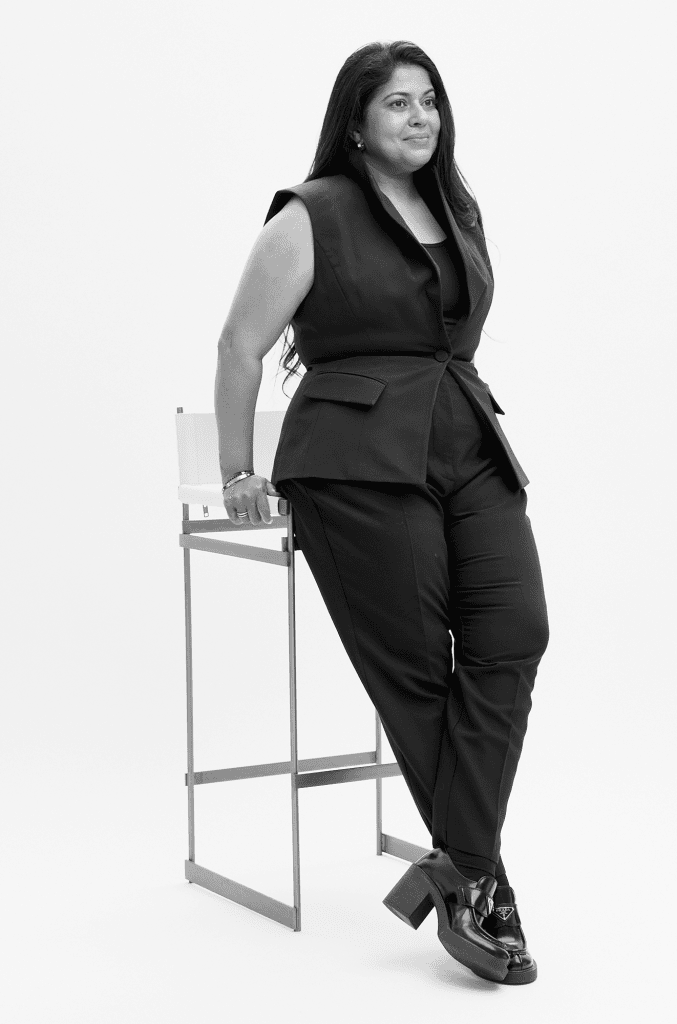
Meenakshi Lala

Chief Executive Officer, UrbanStems

“We often mistake kindness for weakness, particularly in women leaders. But treating people with dignity and empathy doesn’t prevent you from making difficult decisions, holding people accountable, or demanding high performance.”

What qualities define true power in leadership today?

Authenticity. Staying true to yourself, your mission, and your values allows you to adapt without losing conviction. Strong leaders also need to think and communicate clearly through noise and uncertainty while remaining transparent with their teams, investors, and customers.

What global issue can leaders no longer afford to ignore?

Gender inequality remains deeply important to me, particularly disparities in pay, education, and women’s representation in leadership. Progress has been incredibly slow, and women are still fighting for rights and opportunities that generations before us worked to establish.

Mental health is another major concern. Despite living in an increasingly connected world, many people—especially women—feel isolated, anxious, and overwhelmed without adequate resources or support.

Can you share a setback that ultimately became a turning point?

Early in my career, a CEO told me I was the best candidate for a position but wouldn’t hire me because I was single and in my 30s. He assumed I would get married, become pregnant, use the company’s maternity benefits, and fail to deliver.

I told him I was glad he wasn’t hiring me because our values clearly didn’t align. What felt like a setback ultimately redirected me toward a role that shaped my career and helped prepare me to become a CEO. It taught me that the decision without the immediate payoff can sometimes be the best long-term choice.

Should female representation on corporate boards be mandatory?

Representation absolutely matters, but I’m reluctant to make it simply a mandate or checkbox. Companies should deliberately expand their networks so they recognize and recruit extraordinary talent that has historically been overlooked.

The ultimate goal should be meaningful, diverse representation—not representation simply because a company wants to avoid a fine.

What quality does society tend to overlook?

Kindness. We often mistake kindness for weakness, particularly in women leaders. But treating people with dignity and empathy doesn’t prevent you from making difficult decisions, holding people accountable, or demanding high performance.

As technology becomes more integrated into our lives, maintaining our humanity becomes even more important. Kindness should never be optional.

Was there a defining experience that led you to where you are today?

Learning that leadership doesn’t mean having all the answers. My mentors taught me to remain curious and become comfortable walking into a room and saying, “I don’t know this yet, but I want to learn.”

Moving from fashion into floral e-commerce forced me to become a beginner again. That curiosity and humility ultimately changed the trajectory of my career and helped prepare me to become a CEO.

What do you reflect on during moments of uncertainty?

I often think about my younger self—the version of me who had enormous ambition without knowing where it would lead. That determination still pushes me, but now I can tell her, “You don’t have anything to prove.”

Success today is about making the right decisions, staying resilient, and defining what success means within the circumstances of my life—as both a mother and a CEO.

What is the biggest risk facing humanity over the next decade?

As AI becomes increasingly integrated into our lives, the greatest risk is losing human agency. Technology is developing faster than our ethical frameworks and our ability to adapt.

We need to preserve our ability to question, distinguish what is real from what is manufactured, and make our own decisions. AI should help us learn and grow, but humanity must remain in the driver’s seat.

What’s the best piece of advice you’ve ever received?

“Don’t be afraid to change your mind.”

You can remain firm in your values while being flexible in your thinking. Changing your mind when new information emerges isn’t weakness—it shows that you’re listening, learning, and evolving. Your values can remain constant even when your strategy changes.

What is your biggest fear?

I’m not afraid of failing. I’m afraid of succeeding at the expense of the things that matter most.

Ambition constantly moves the finish line, and I never want to look back and realize I was so focused on achieving the next thing that I failed to appreciate what I already had. I have to remind myself to pause and, quite literally, smell the roses.

What book would you recommend?

Michelle Obama’s Becoming. It reminds me that none of us is ever a finished product. Our careers, relationships, goals, and definitions of success continue to evolve throughout our lives.

Growth isn’t about reaching one final destination. It’s about continuing to learn, evolve, and become more comfortable in your own skin along the way.

Do you have a favorite podcast?

The Diary of a CEO is one of my favorites because I enjoy hearing the story behind success—the failures, doubts, and challenges that come with leadership. I also love Michelle Obama’s podcast and Entrepreneur, particularly for conversations that dig beneath the surface of what leaders are really thinking.

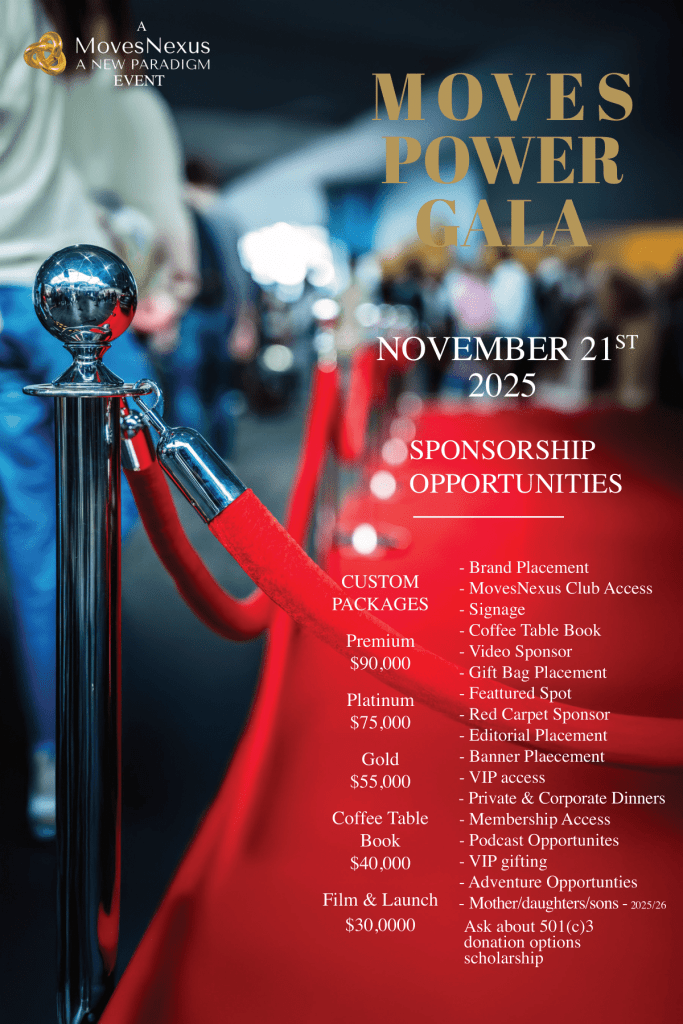
Table / Sponsorship Request Access

For additonal inforamtion send an email to pw25_awardsgala@newyorkmoves.net or to request code over the phone 646.489.1633 

Check Spam for code

For additonal inforamtion send an email to pw25_awardsgala@newyorkmoves.net or call 212.396.2394 or 646.489.1633 (also text for rapid response)